
Book of the Month for July 2026
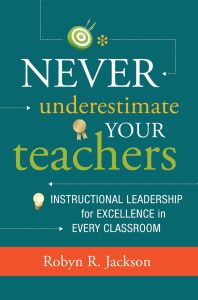
In this book for school leaders, Jackson presents a new model for understanding teaching as a combination of skill and will and explains the best ways to support individual teachers’ ongoing professional development. Here, you’ll learn how to meet your teachers where they are and help every one of them—from the raw novice to the savvy veteran, from the initiative-weary to the change-challenged to the already outstanding—develop the mindset and habits of master teachers. Real-life examples, practical tools, and strategies for managing time and energy demands will help you build your leadership capacity as you raise the level of instructional excellence throughout your school.
Book of the Month
Previous Reads
November 2026
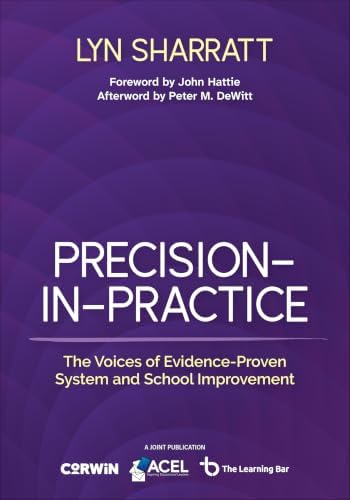
Precision-in-Practice: The Voices of Evidence-Proven System and School Improvement
by - Lyn Sharratt
Transform educational research into practices that help every student thrive. Precision-in-Practice, the inspiring follow-up to Lyn Sharratt′s bestselling CLARITY, bridges this gap by showing how schools worldwide use CLARITY tools to create measurable impact. Grounded in a deep commitment to excellence and equity for all learners, this practical down-to-earth guide offers a roadmap to overcome...
September 2026
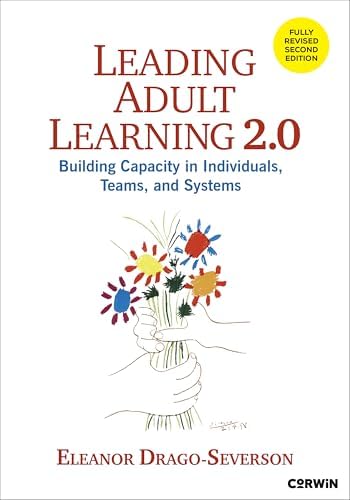
Leading Adult Learning: Building Capacity in Individuals, Teams, and Systems
by - Eleanor Drago-Severson
In our highly complex, ever-shifting world, building human capacity remains one of the most powerful responsibilities―and transformative opportunities―of educational leaders. Grounded in more than thirty years of research and the understanding that adults make sense of their work and experiences in diverse ways, this new, fully revised and expanded edition of Leading Adult Learning helps...
August 2026
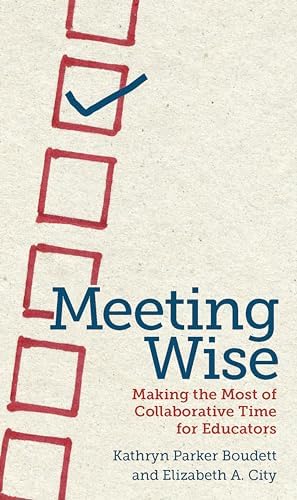
Meeting Wise: Making the Most of Collaborative Time for Educators
by - Kathryn Parker Boudett, Elizabeth A. City
This book, by two editors of Data Wise: A Step-by-Step Guide to Using Assessment Results to Improve Teaching and Learning, attempts to bring about a fundamental shift in how educators think about the meetings we attend.