
Book of the Month for June 2024
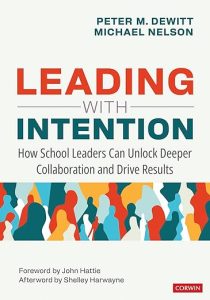
Behind every thriving school or district are deeply interconnected teams that consistently engage in a reciprocal transfer of learning. Leading With Intention aims to make this process visible by helping leaders and teachers understand how their thinking impacts their decision-making and the overall well-being of their learning communities. Through five highly practical chapters, authors DeWitt and Nelson explore self-awareness, nurturing human interconnectedness, collective inquiry, establishing a learning network, and crafting a personal learning environment.
Book of the Month
Previous Reads
December 2025

Empowering Young Leaders: How your Culture and Ethos can Enhance Student Leadership within your School
by - Gohar Khan
The ethos, culture, and climate of a school lie at the very heart of its success and have a dramatic impact on the future of its students. This exciting new book shows how through values-based, inclusive, and aspirational leadership, teachers and school leaders can support students in becoming well rounded, globally minded change-makers of the...
November 2025

Radical Listening: The Art of True Connection
by - Robert Biswas-Diener, Christian van Nieuwerburgh
Leading experts in Positive Psychology coaching outline six unique competencies that go beyond "active listening skills" to create deep understanding and connection.
October 2025
by -
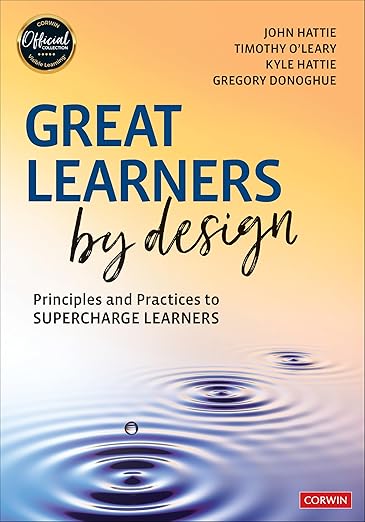
Today’s students need more than great teaching of the curricula; they must also be taught the love and strategies of learning. It’s time for a balanced approach that teaches students how to access and process information and inspires a desire for continuous learning.