
Book of the Month
November 2026
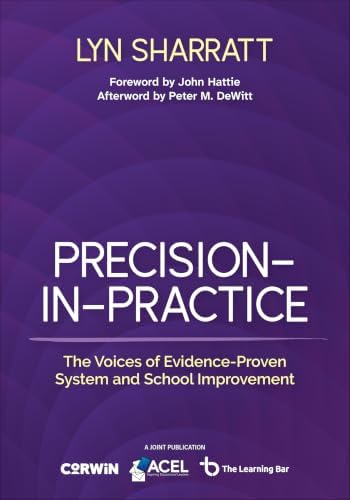
Precision-in-Practice: The Voices of Evidence-Proven System and School Improvement
by - Lyn Sharratt
Transform educational research into practices that help every student thrive.
Precision-in-Practice, the inspiring follow-up to Lyn Sharratt′s bestselling CLARITY, bridges this gap by showing how schools worldwide use CLARITY tools to create measurable impact. Grounded in a deep commitment to excellence and equity for all learners, this practical down-to-earth guide offers a roadmap to overcome real-world challenges through collective efficacy.
Previous Reads
March 2025
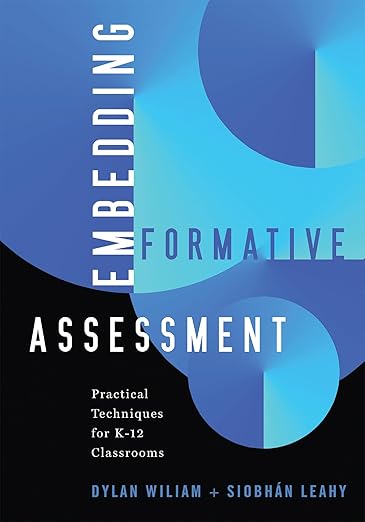
Embedding Formative Assessment: Practical Techniques for K-12 Classrooms
by - Dylan Wiliam, Siobhan Leahy
This clear, practical guide for teachers centers on practical formative assessment techniques for implementing five key strategies in K-12 classrooms.
February 2025
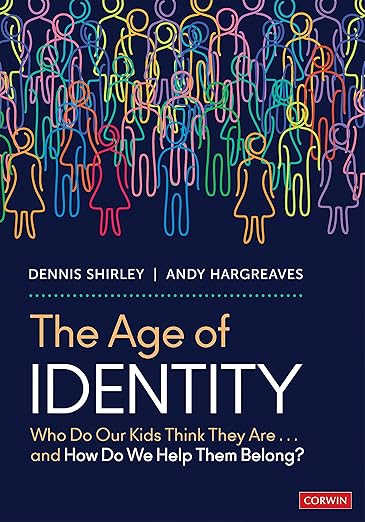
The Age of Identity: Who Do Our Kids Think They Are . . . and How Do We Help Them Belong?
by - Dennis Shirley, Andy Hargreaves
Dennis Shirley and Andy Hargreaves brilliantly show how we can and must engage with young people’s identities in their fullness and complexity. Rooted in classical and contemporary theories of identity, extensive research, and in sheer common sense, their book takes us from bitterness to belonging
January 2025

The Pruning Principle: Mastering the Art of Strategic Subtraction Within Education
by - Simon Breakspear, Michael Rosenbrock
The Pruning Principle offers a groundbreaking approach to educational leadership, drawing inspiration from horticulture to address the chronic issues of overwork and inefficiency in schools. The authors, Dr Simon Breakspear and Michael Rosenbrock, propose a radical shift from the culture of “doing more” to one of strategic subtraction, arguing that by carefully pruning away non-essential tasks and initiatives, schools can achieve better outcomes with less strain on resources and staff.